The quarry logic beneath the grid
Bourg does not terrace itself because the hillside is steep, though it is. It terraces itself because the stone was taken out in horizontal lifts, and the streets followed the floors that remained. The working determined the level; the level became a road; the road acquired houses; the houses became a neighbourhood. What looks like a response to topography is, underneath, a response to extraction.
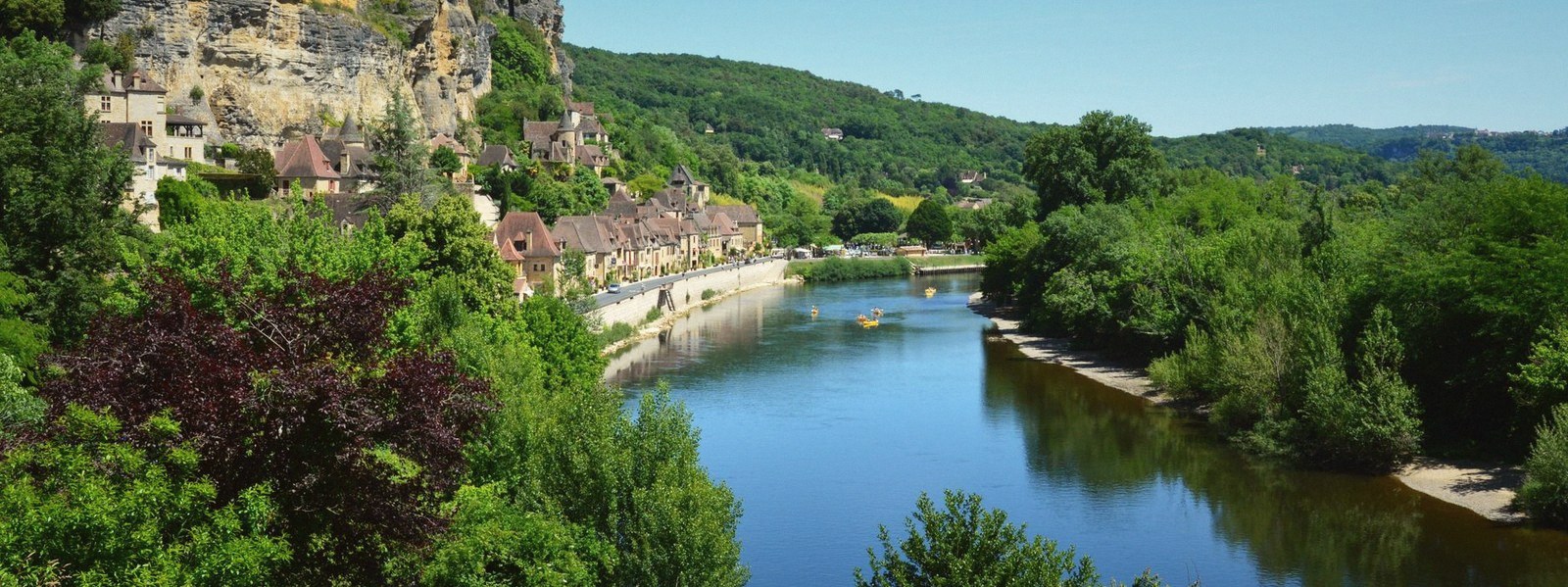
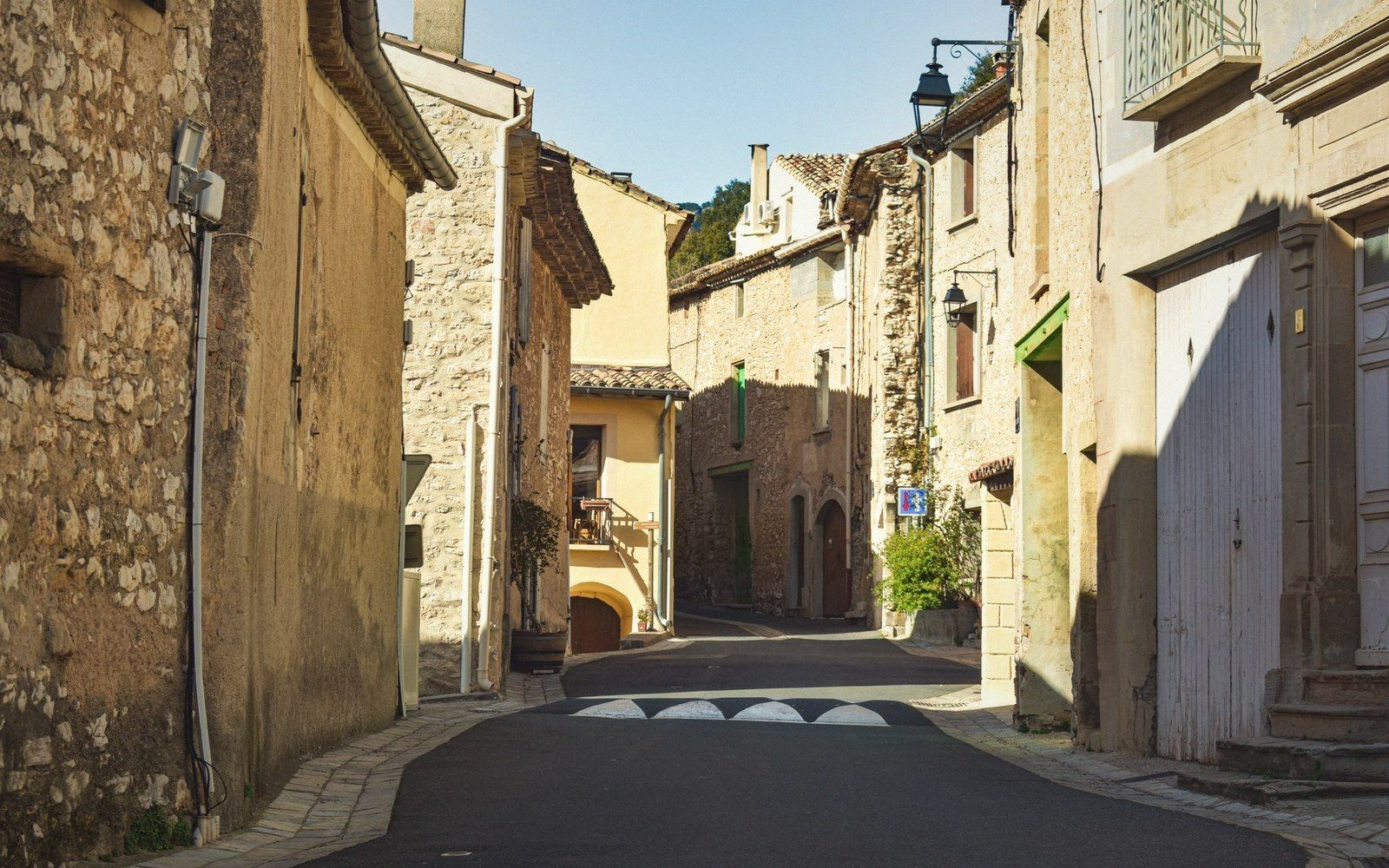
The pattern is clearest in the upper town, where the streets run along the cliff edge in roughly parallel bands. Stand on one and look to the side: the next street up or down is not a gradual slope away but a distinct step, separated by a retaining wall or a cut face. Each band occupies a former working floor — the horizontal plane at which a lift of stone was sawn clear before the quarrymen moved up or down to the next bed.
This is not a feature unique to Bourg, but few places preserve it so legibly. The citadel on the cut holds the highest level, its ramparts following the natural logic of the uppermost worked face: a platform cut for defence because a platform already existed from extraction. Below it, the terraced streets descend in steps that a quarryman from the working period would read as plainly as a geologist reads strata. Each step is a former working floor, each retaining wall a former face.
The street plan also reflects something practical about carrying stone. Horizontal movement is cheaper than vertical, and once a lifted block was on the working floor, it was walked or rolled along that level to the nearest shaft or adit rather than hauled up or lowered down unnecessarily. The street, when it came, ran the same route — the path of least resistance already beaten into the rock. The terraces are not a plan imposed on the hill. They are the hill's own working logic, surfaced in tarmac.
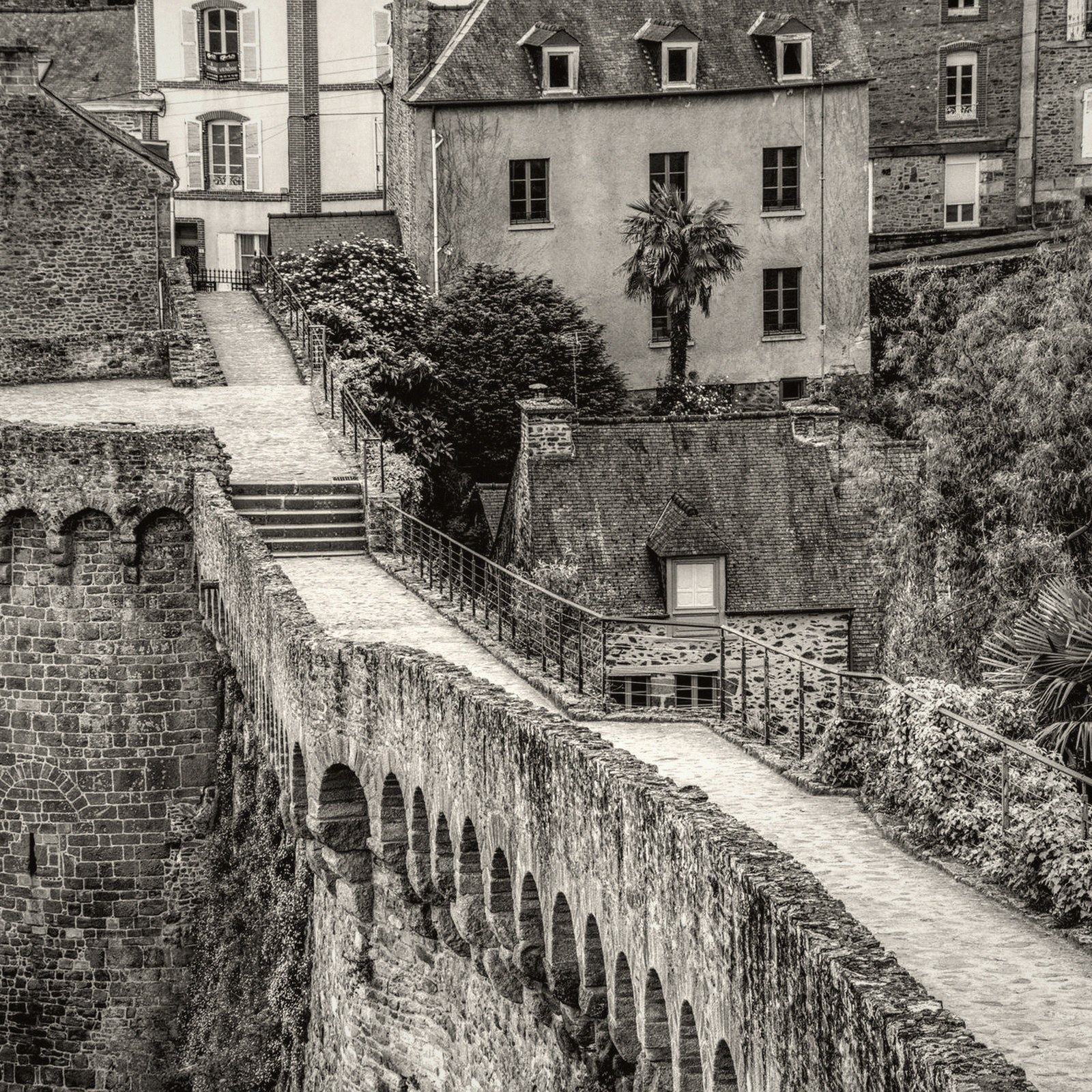
What the quarry left behind was not a hole but an argument about how to organise a slope, and the town accepted it without question.
Each step is a former working floor, each retaining wall a former face.