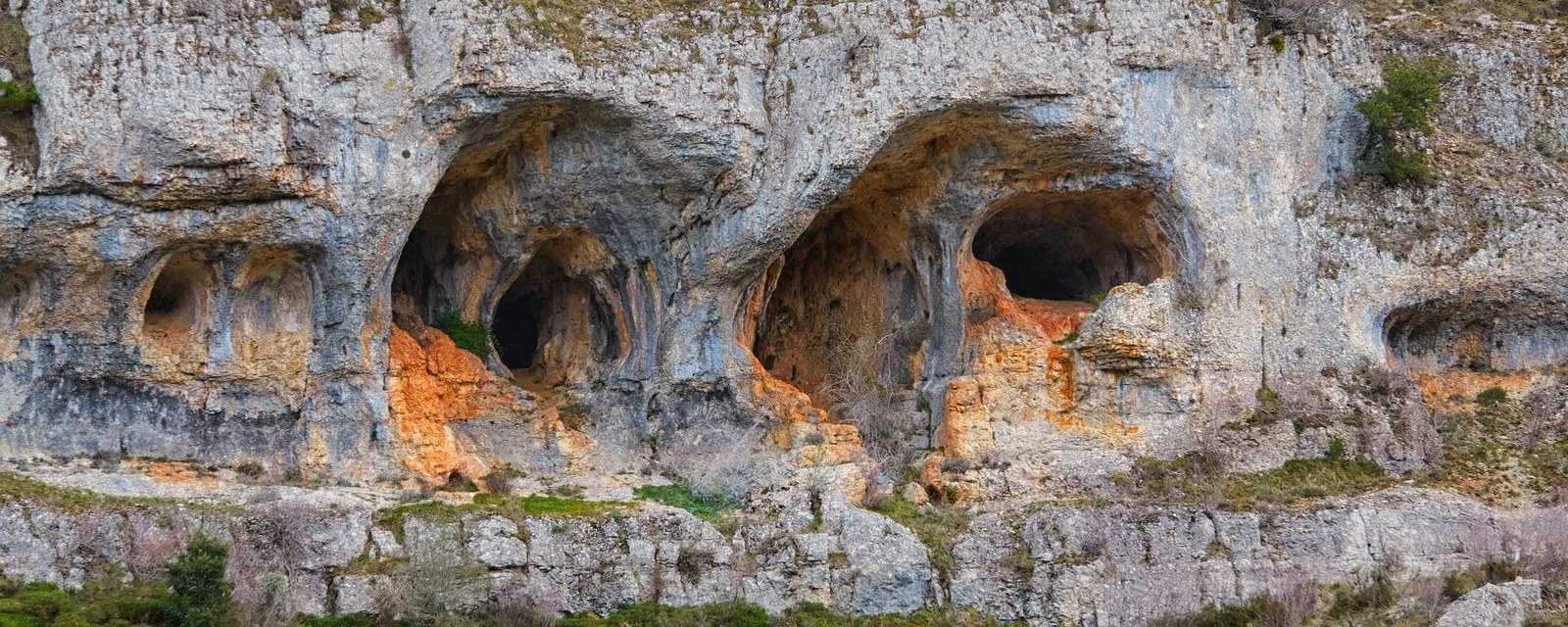
The stone was taken from directly beneath the streets, leaving a worked-out level that is now cellar, mushroom bed and store. What was left standing, and why.
Filed by what the stone did: cut, carried, left standing, or lived in. The estuary entries carry the tidal range they turn on.
The Galleries
Kilometres of worked-out space under the streets.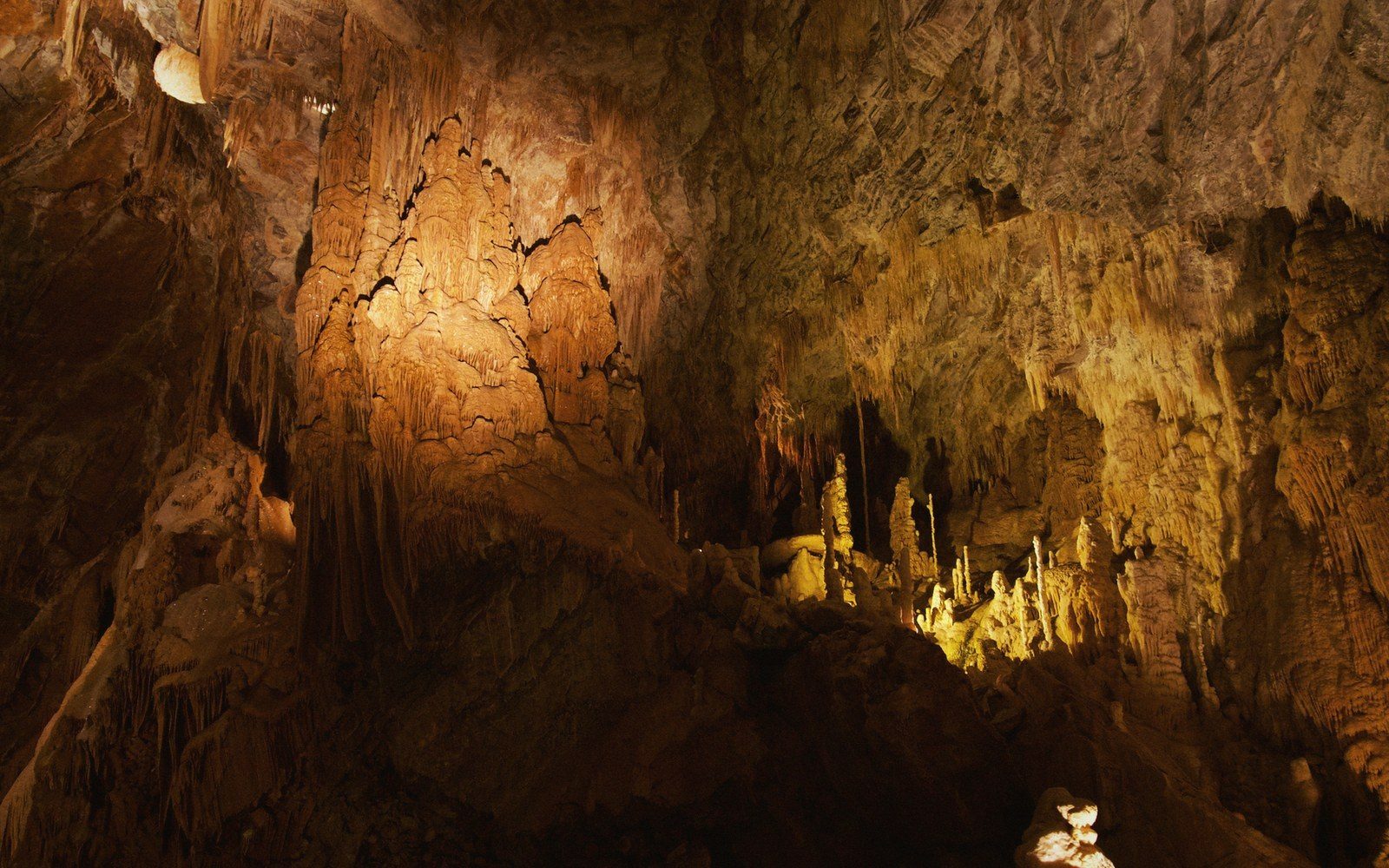
The town stands on its own quarry
The stone was taken from directly beneath the streets, leaving a worked-out level that is now cellar, mushroom bed and store. What was left standing, and why.
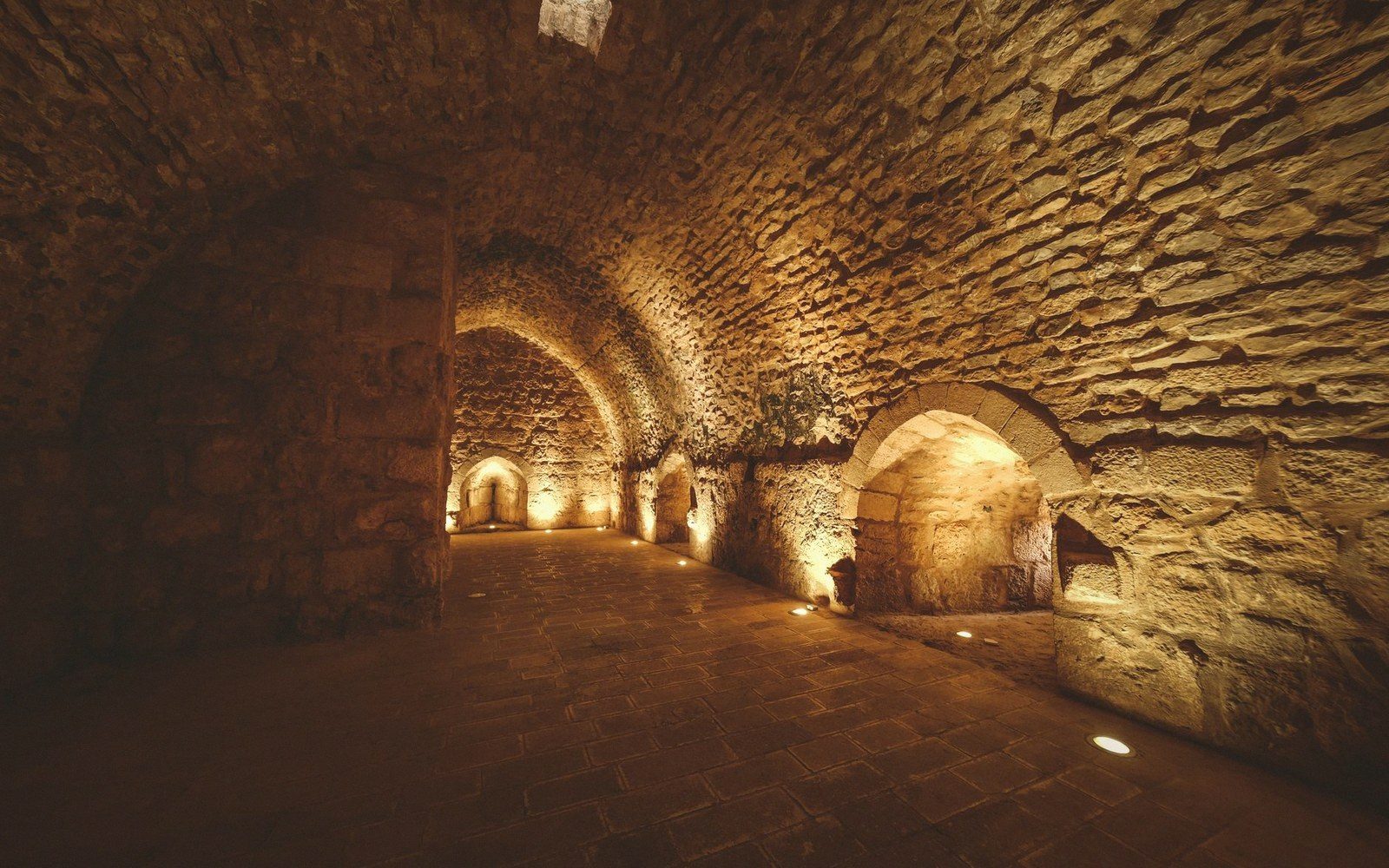
Pillars left standing
Room-and-pillar by eye: how much rock had to stay to hold the roof.
- Saw marks at hand heightParallel kerfs left by hand saws, and what they say about the working method.
- The constant temperatureWhy a worked-out gallery is a cellar without any effort.
- What galleries becameWine, mushrooms, storage and shelter — successive uses of the same void.
- CollapseWhere the pillars were cut too thin, and what the surface shows afterwards.
Cut & Carriage
How the stone left, and what it built.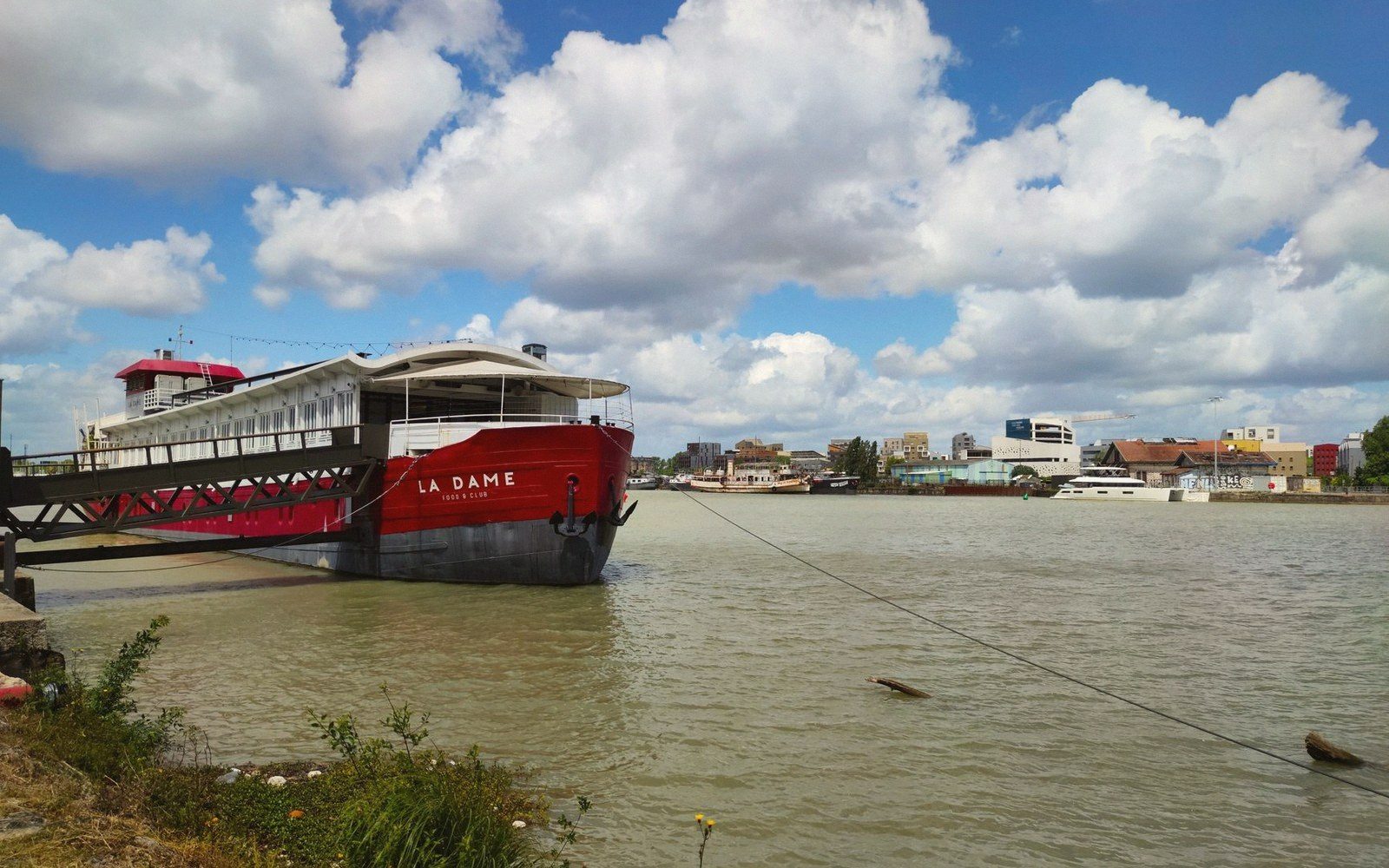
Downriver to build a city
Blocks cut here went down the Dordogne and Garonne to face the quays and facades of Bordeaux. Water carriage is why the quarry is where it is.
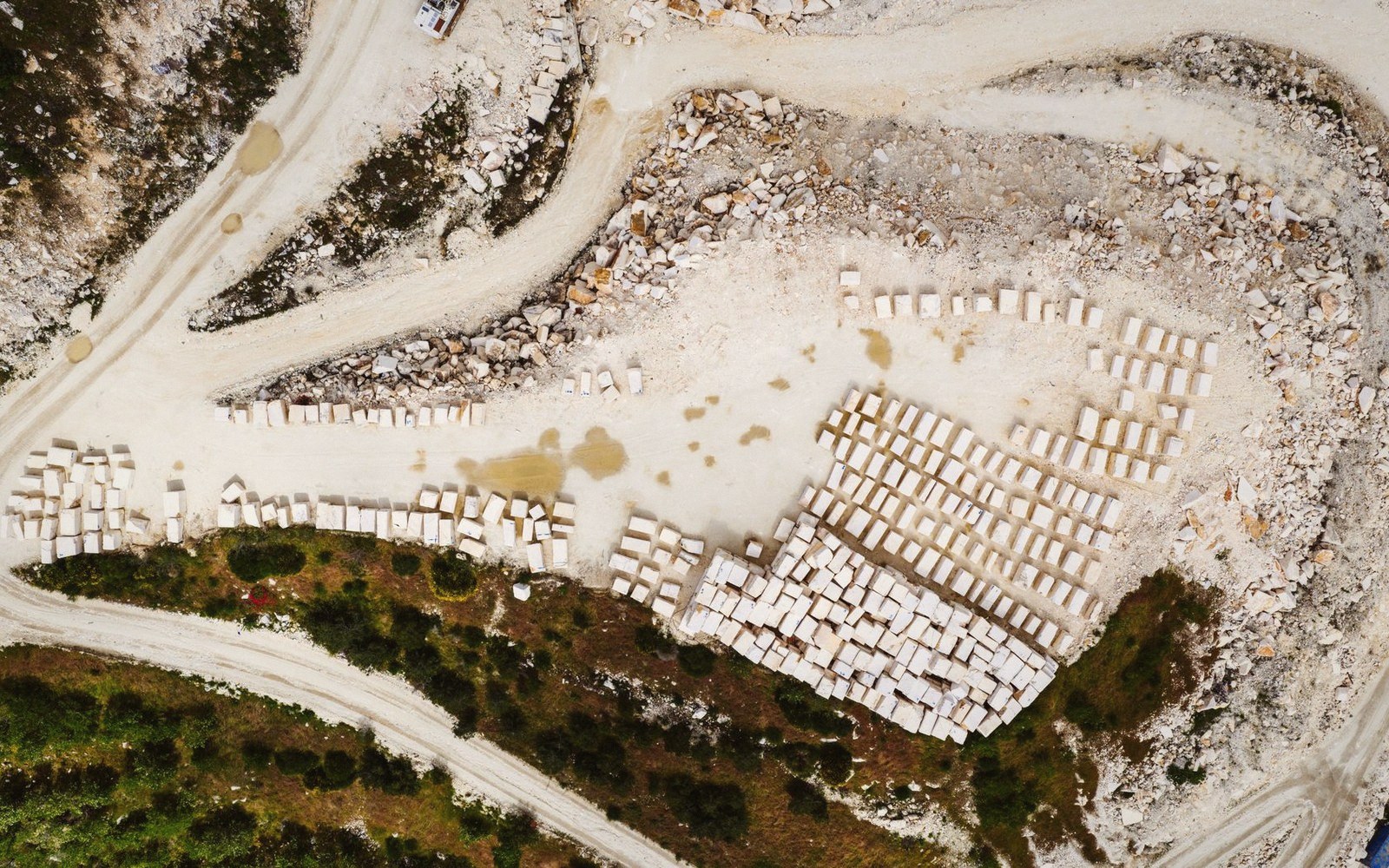
Cutting to size
Sawn square at the face so nothing unnecessary was carried.
The Cut Face
The town standing on what was taken out.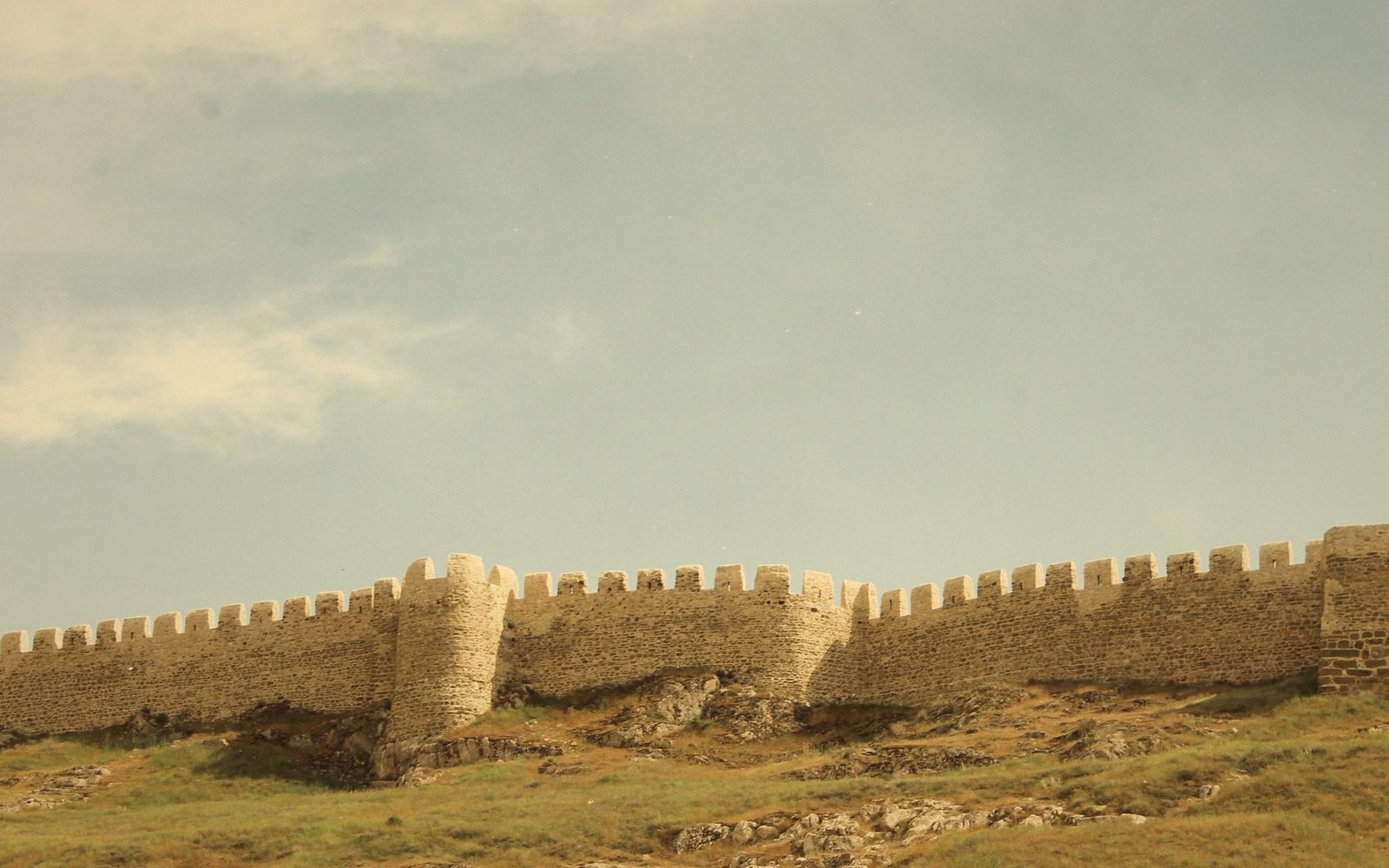
The citadel on the cut
The upper town sits directly on the quarried face, which is both foundation and cliff.
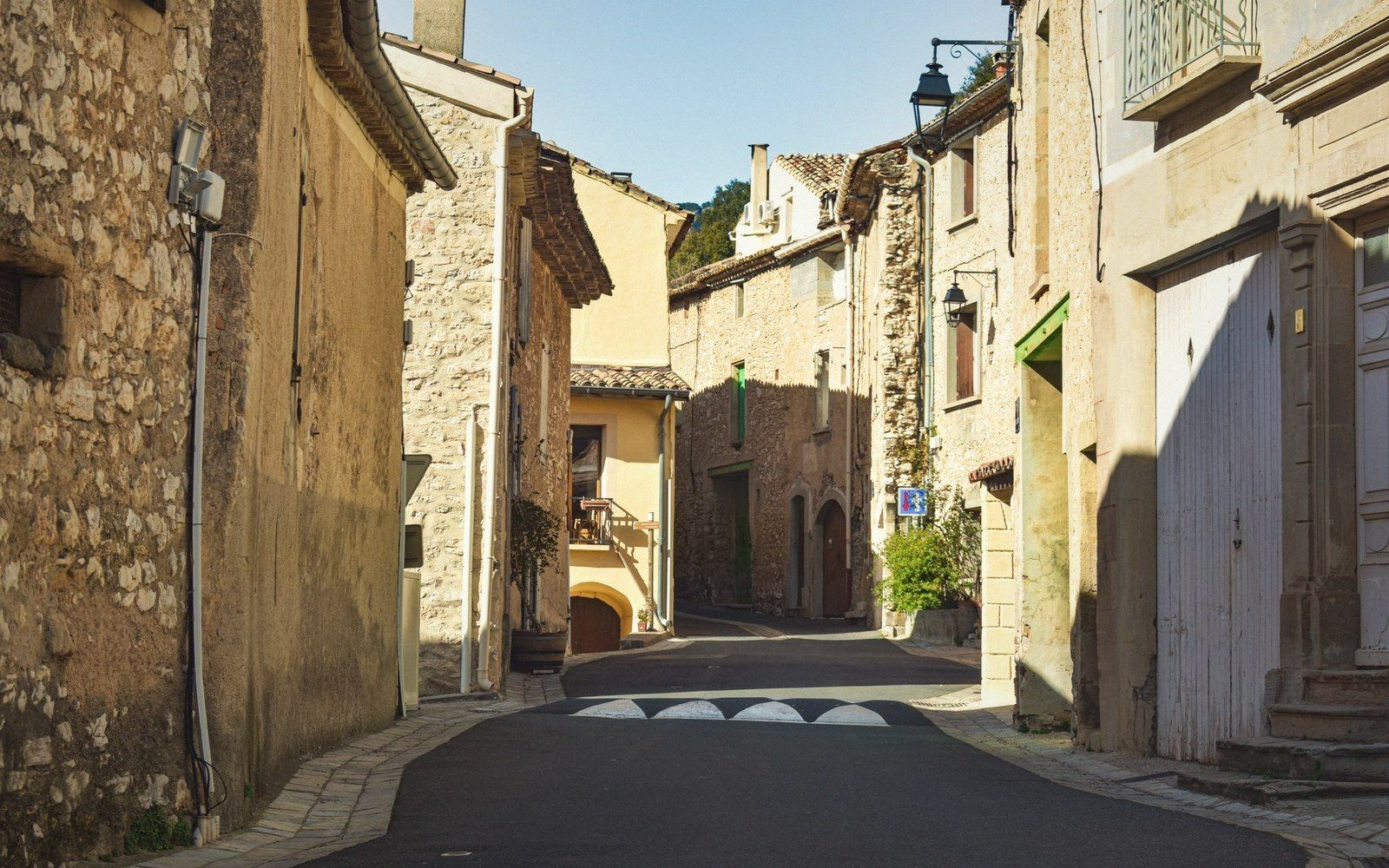
Terraced streets
A street plan that follows the working, not the contour.
Tide & Bore
The largest tidal range on the coast, and the wave that runs up it.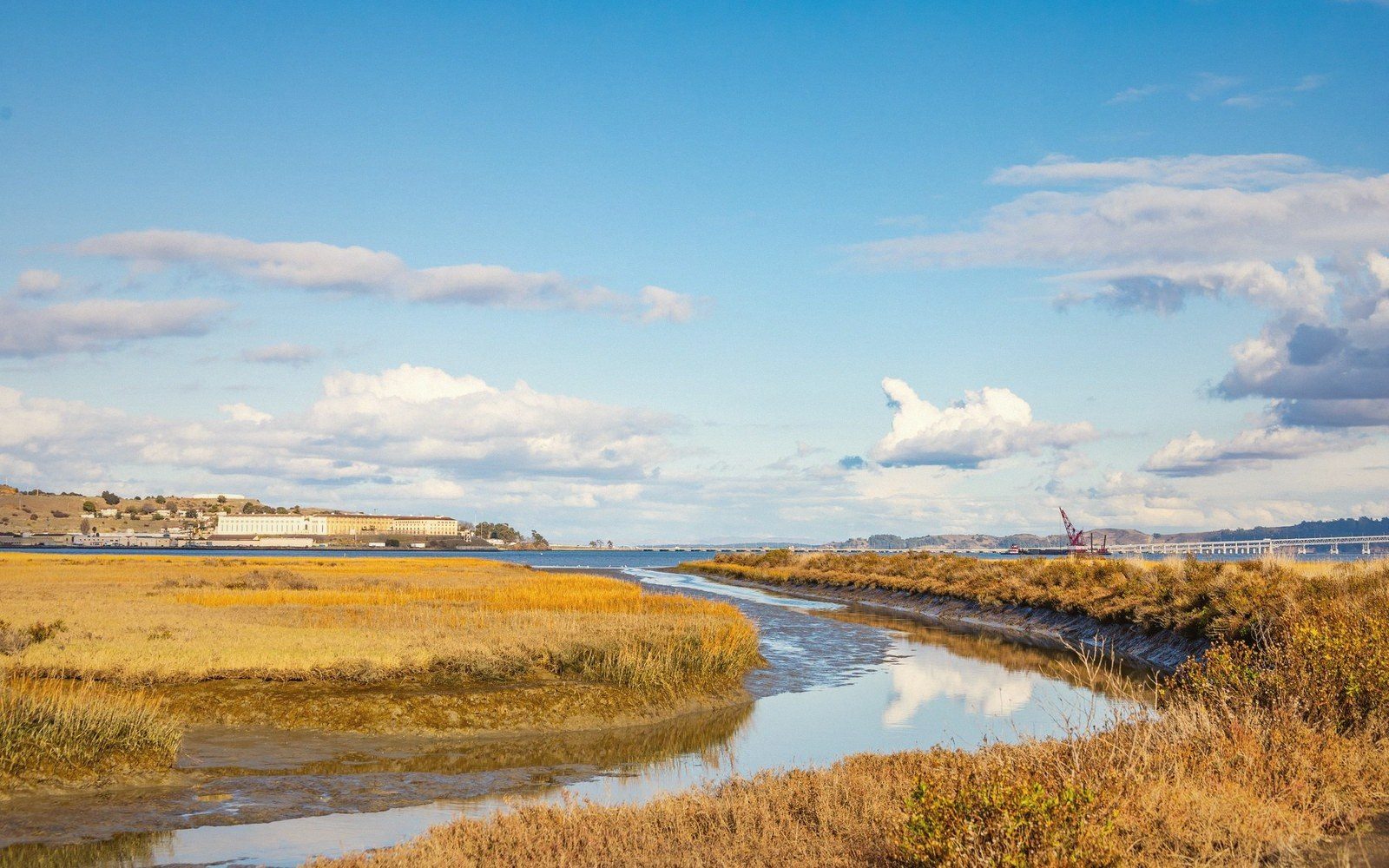
The largest range on the coast
Spring tides here move water further vertically than anywhere else on the Atlantic seaboard. What that does to the banks.
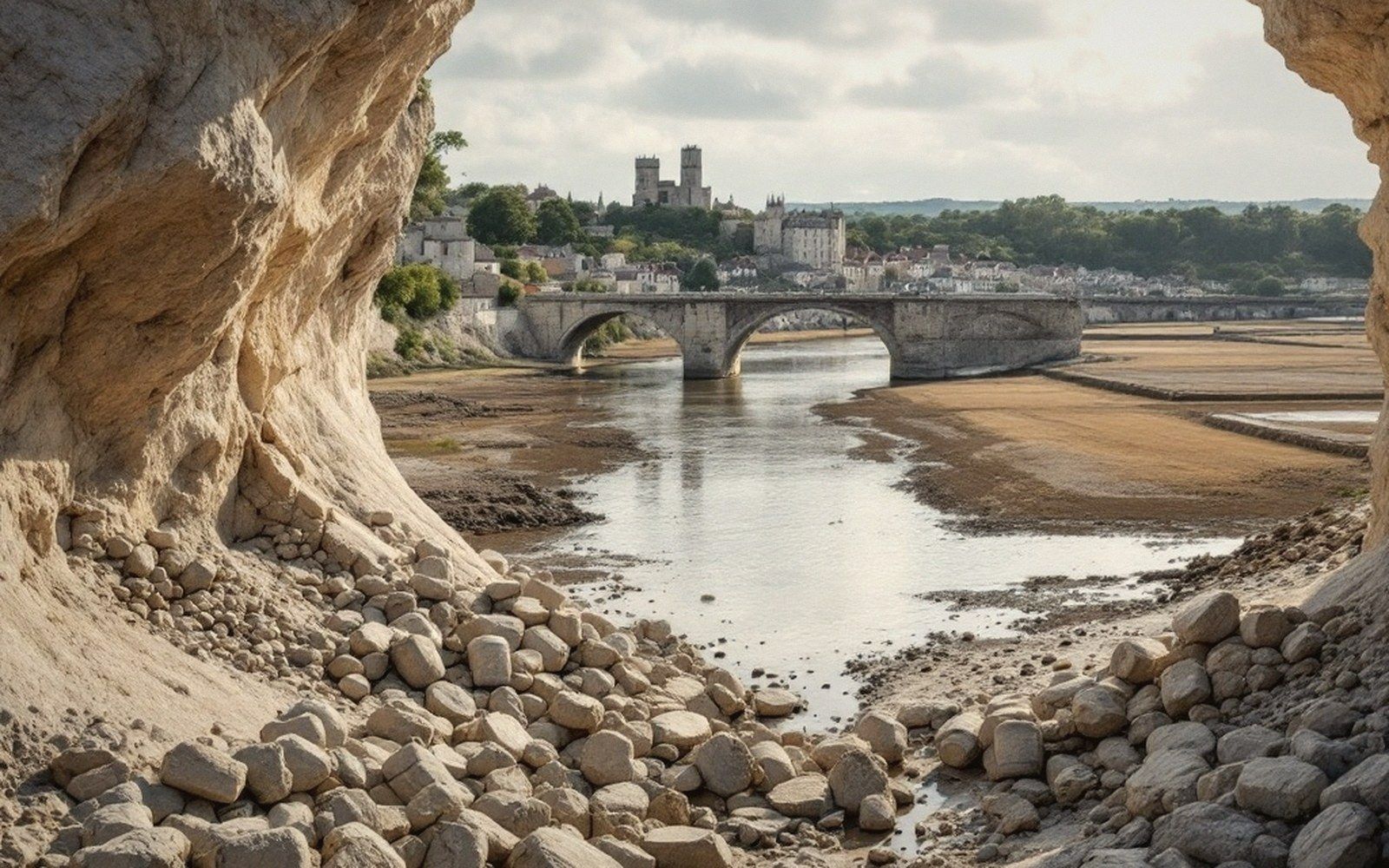
The bore
A single wave running upriver against the current on the biggest tides.
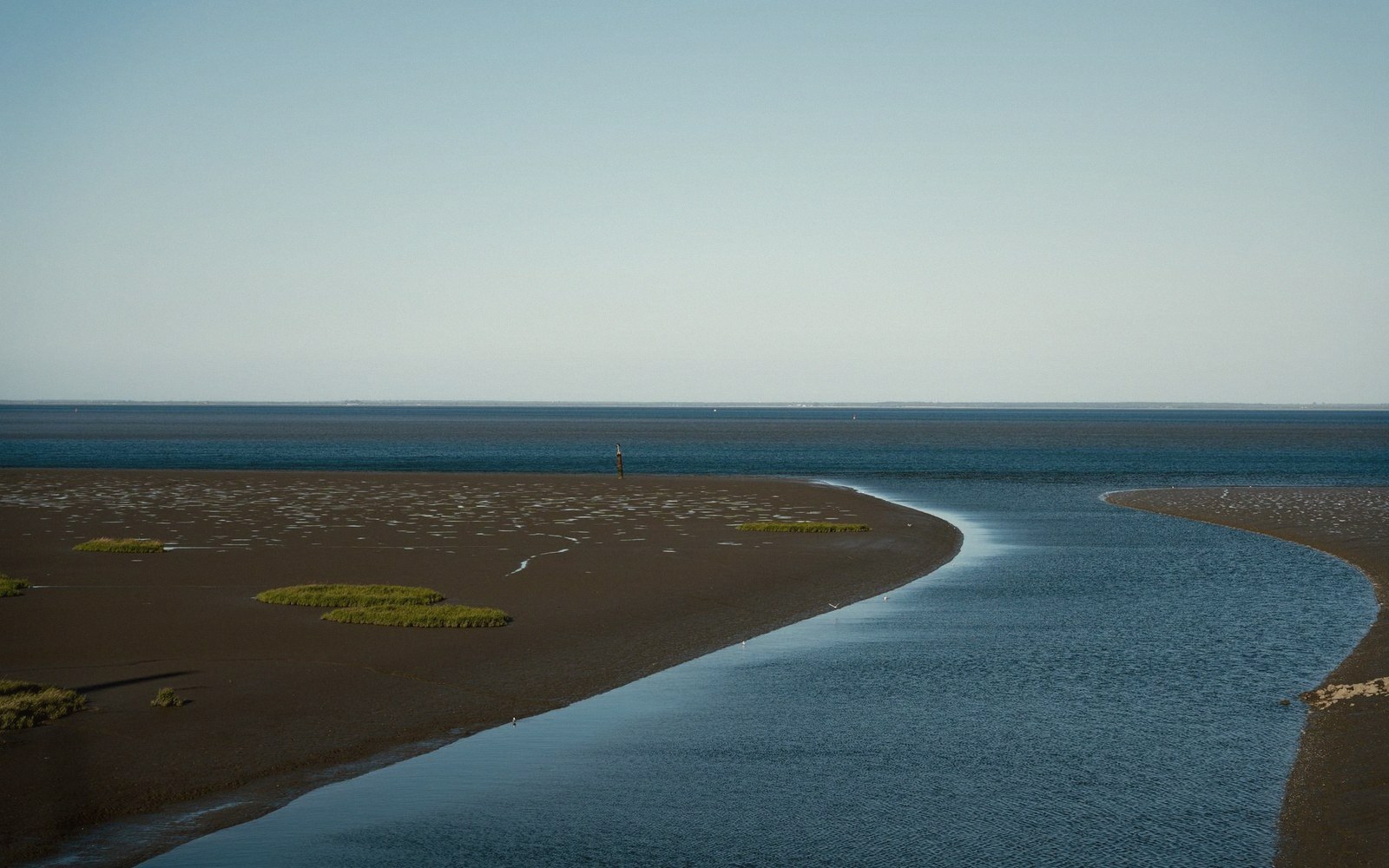
The largest tidal range on the coast sits under the town
The water below the bluff moves further vertically than anywhere else on the Atlantic seaboard. It carries sediment that colours it brown, it builds and moves bars, and on the biggest tides it sends a single wave upriver against the current.
Where this is
Right bank of the Dordogne, above the confluence- Bourgon the Dordogne, the quarried bluff—
- Blayecitadel downstream on the right bank13 km
- Libourneupstream on the Dordogne28 km
- Bordeauxthe quays the stone faced23 km
- Pauillacleft bank, mid-estuary23 km
- Le Verdon-sur-Merthe mouth69 km
Bourg sits on the right bank of the Dordogne, above the point where it joins the Garonne. The stone went downstream from here to the quays at Bordeaux; on the largest tides the bore runs the other way, and divides at the confluence to travel up both rivers.