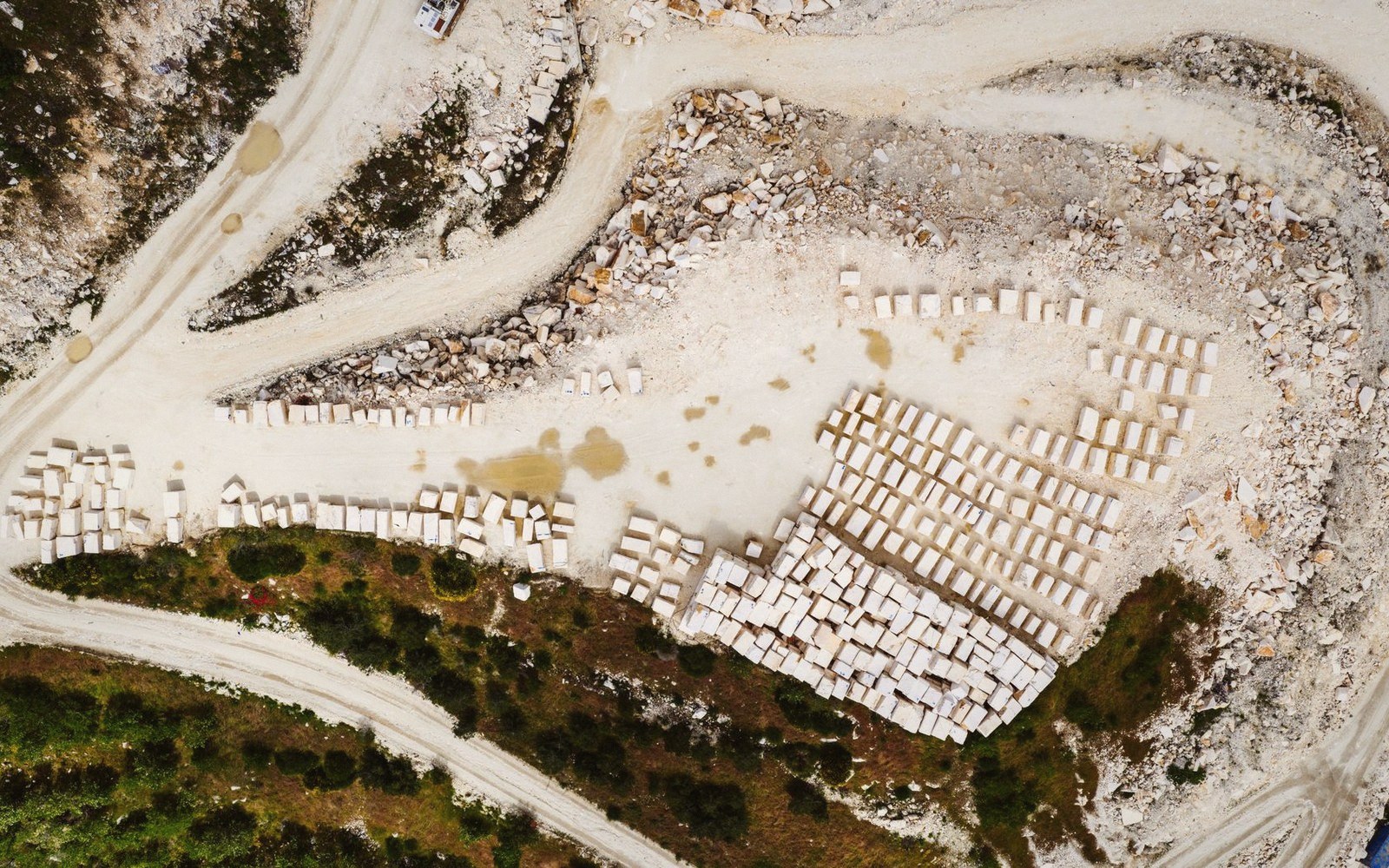
Soft then hard
The block that leaves the gallery almost workable by hand becomes, over months in the air, one of the toughest building stones on the Atlantic seaboard.
The quarry-sap and what leaving it does
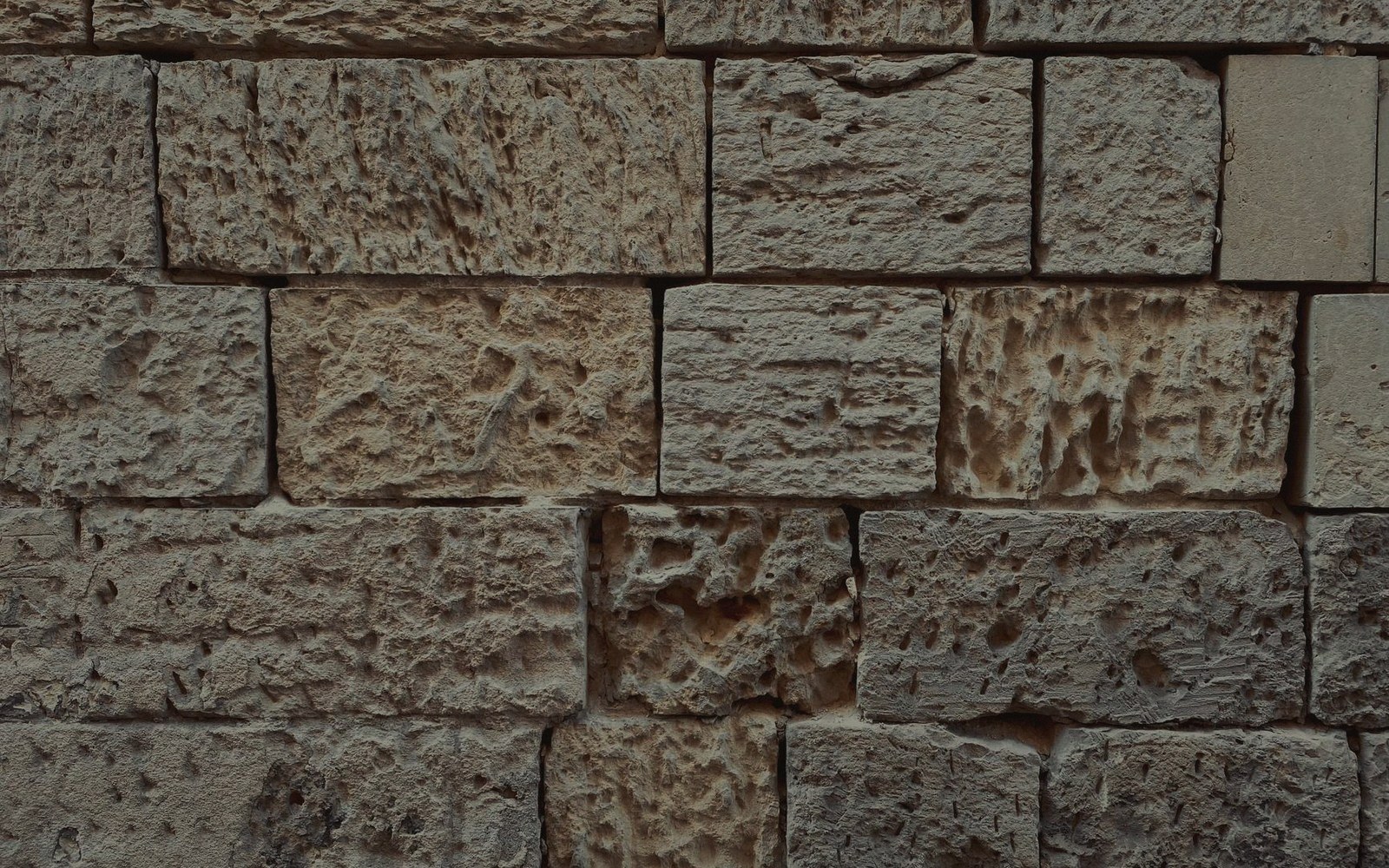
Freshly cut calcaire à lumachelles — the shelly limestone worked beneath Bourg — comes out of the face holding what quarrymen have long called quarry-sap: the groundwater that has saturated the rock for millennia. Wet with it, the stone is almost docile. A saw runs through it with little resistance; a chisel dresses the edge cleanly. This is precisely why blocks were cut to their final dimensions at the face before loading, when the effort cost the least.
What happens next is slow chemistry. As the sap dries out, calcium carbonate in the pore spaces recrystallises. The grains lock tighter. A block that a skilled sawyer could mark with a thumbnail in the gallery becomes, after a season of air, something that rings under the mallet. The French term for this process is durcissement — hardening — and it is not incidental to why the stone was chosen: the masons who ordered it understood they were buying something that would stiffen in service.
The timing of the river passage mattered. Stone loaded onto a gabare (the flat-bottomed barge of the Dordogne trade) and taken by river to Bordeaux arrived at the building site still workable. Merchants and site managers knew roughly how long the window lasted — weeks to a few months depending on the density of the particular bed — and planned accordingly. Stone that sat too long at a riverside yard before being dressed was harder to detail, and that cost labour.
Not all beds behaved the same way. Bourg's geological section runs through several distinct layers, each with its own porosity and its own rate of hardening. The coarser, more porous beds near the top of the workings dried fastest; denser beds from deeper in the gallery held the sap longer and arrived at the quay in better condition for fine dressing. A quarry master who understood his face knew which beds to cut last.
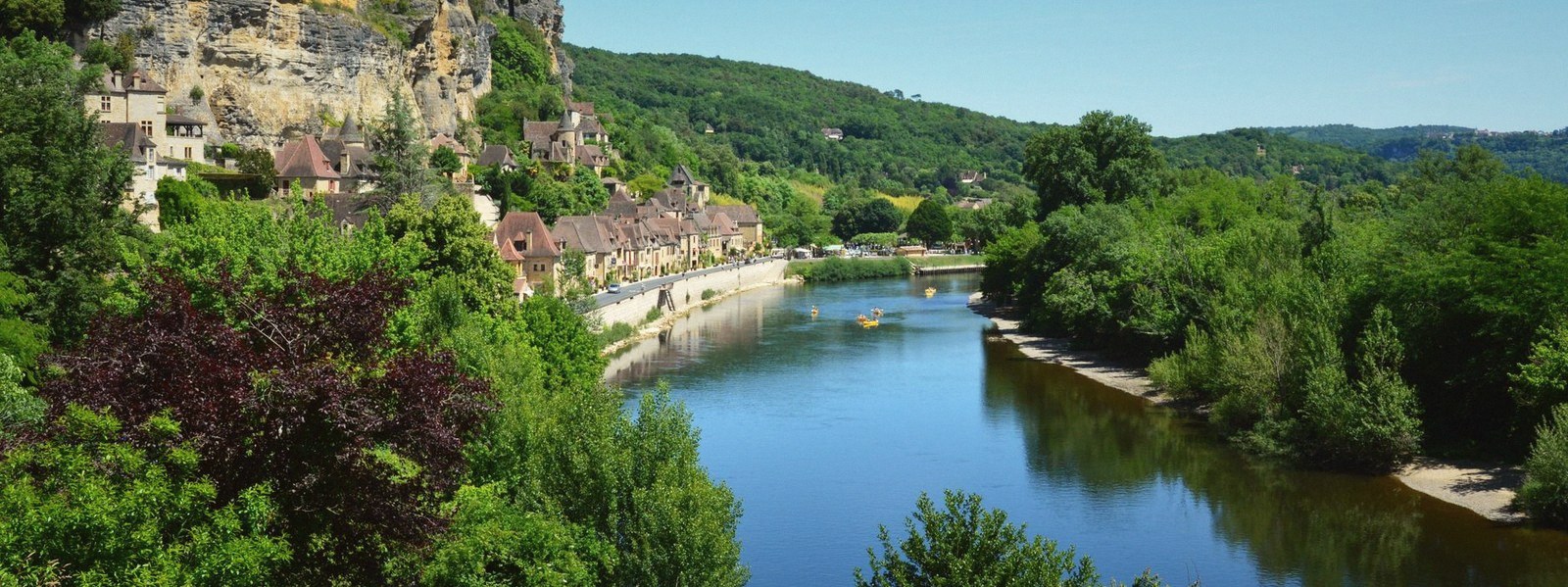
Once hardened and in place, the same mechanism that made the stone difficult also made it durable. The recrystallised surface resists the salt-laden winds off the Gironde better than it would have managed when wet. What looks in an old Bordeaux façade like simple solidity is partly the result of a chemical change that began the moment the first saw-cut reached daylight — and was largely complete before the scaffold came down.
A quarry master who understood his face knew which beds to cut last.