The flat-bottomed barge
Built for two constraints: a loaded draught that cleared a shoaling river, and a hull that could take the ground when the tide left it.
The right boat for a difficult river
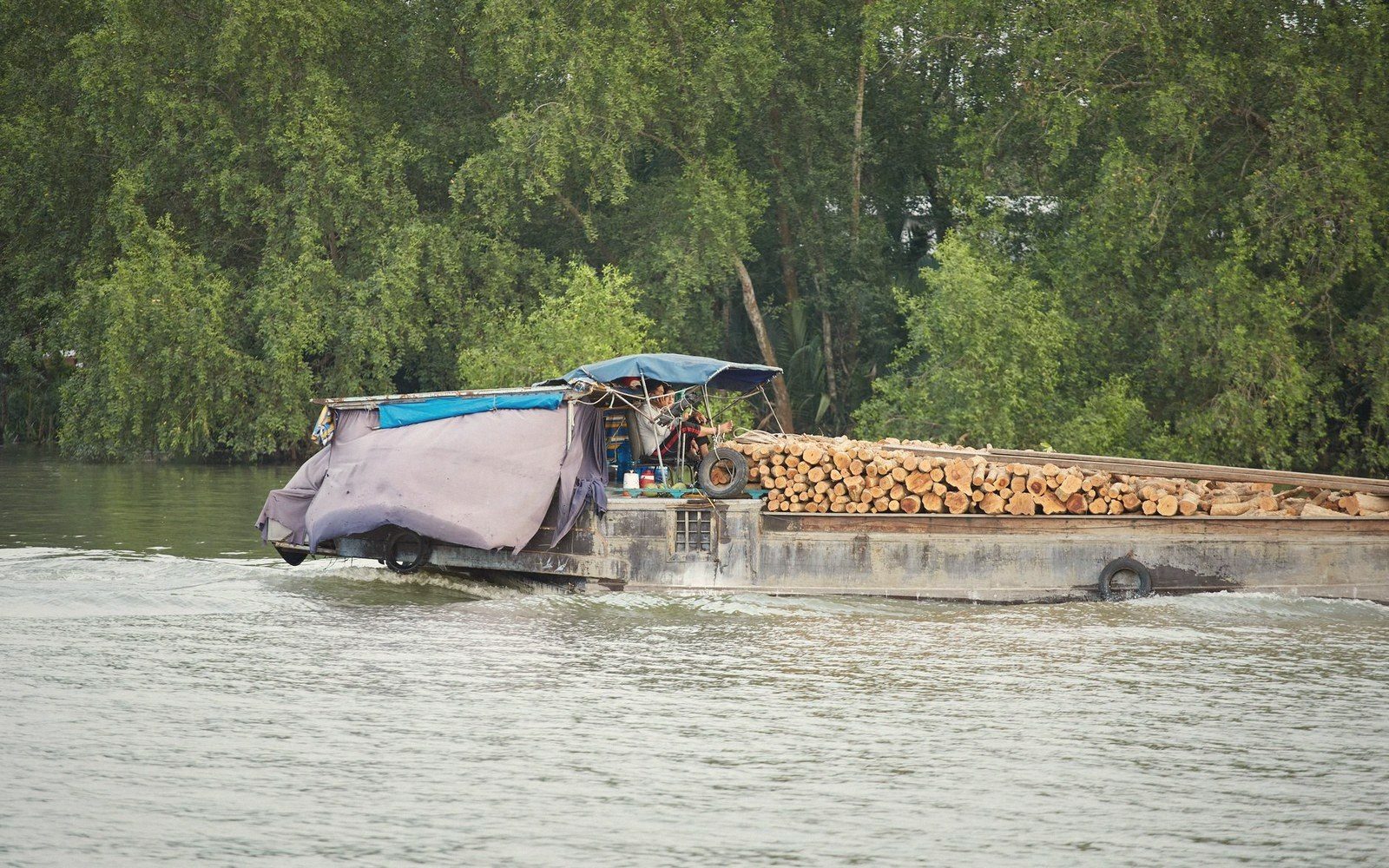
The Garonne and Dordogne are not deep rivers. Laden with stone, a conventional hull would have grounded on the bars and mudbanks that shift with every season, every flood. The boat that solved this was the gabare — a flat-bottomed, shallow-draught river barge worked across southwest France for centuries, and the natural choice for moving cut limestone from Bourg to Bordeaux.
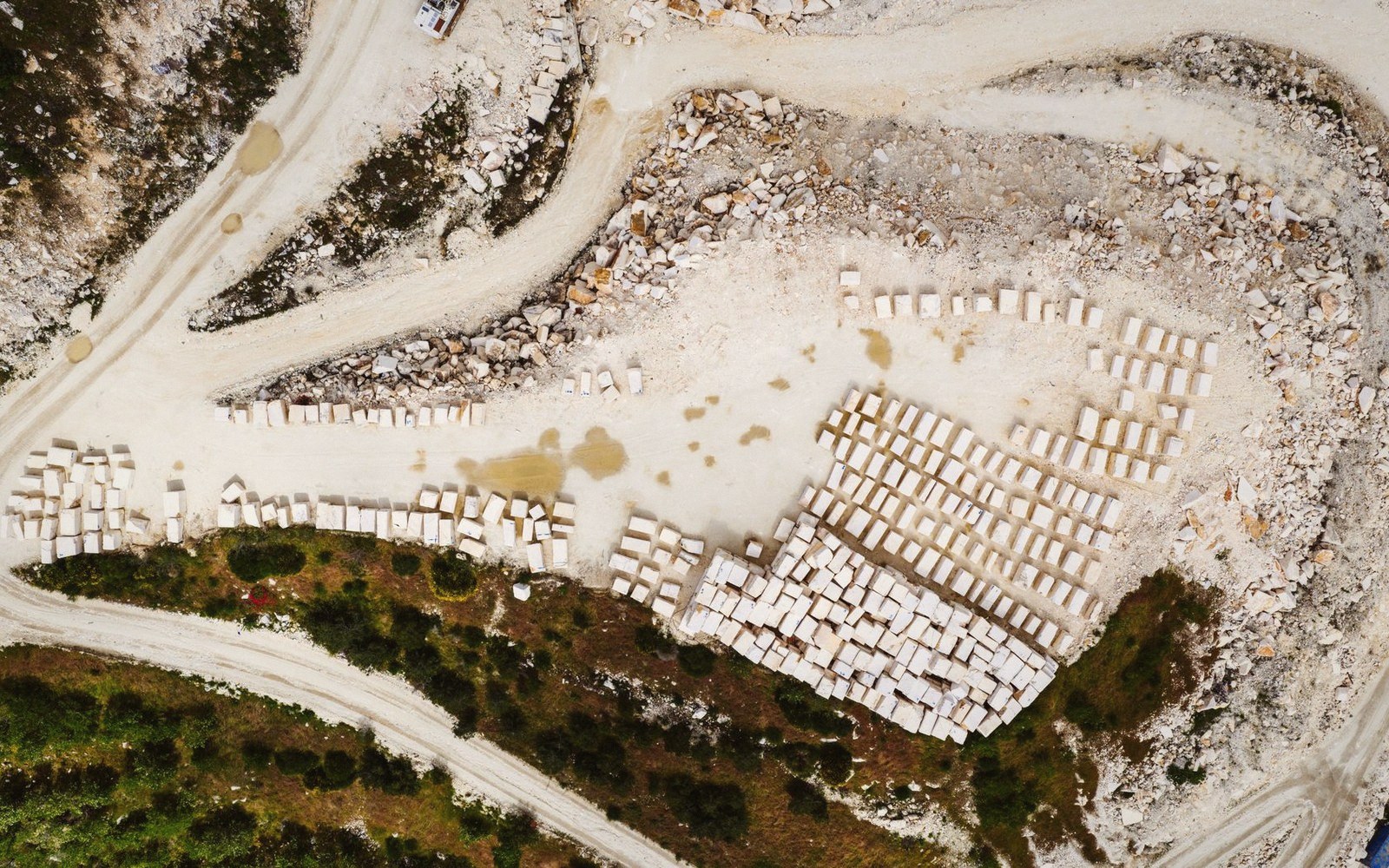
A gabare sat almost level on the water when empty, and distributed its load broadly across the flat bottom when full. Stone blocks sawn square at the quarry face — nothing extra carried, no wasted weight — could be stacked close to the keel without driving the hull dangerously deep. The result was a vessel that could negotiate the estuary's shifting bars and still deliver a usable cargo. On the downriver run to build a city , that mattered every trip.
What made the gabare especially suited to this reach of the estuary was the tidal range. The Gironde carries one of the largest vertical ranges on the Atlantic seaboard, and the tide does not merely fill and empty: it runs hard, reversing the current twice a day. A loaded gabare could ride the flood upriver without working against the stream, then wait at Bordeaux's quayside while the ebb ran back down. The flat bottom meant the barge could simply take the ground at low water — sitting upright in the mud rather than heeling dangerously — and float again on the next tide. No deep keel, no problem.
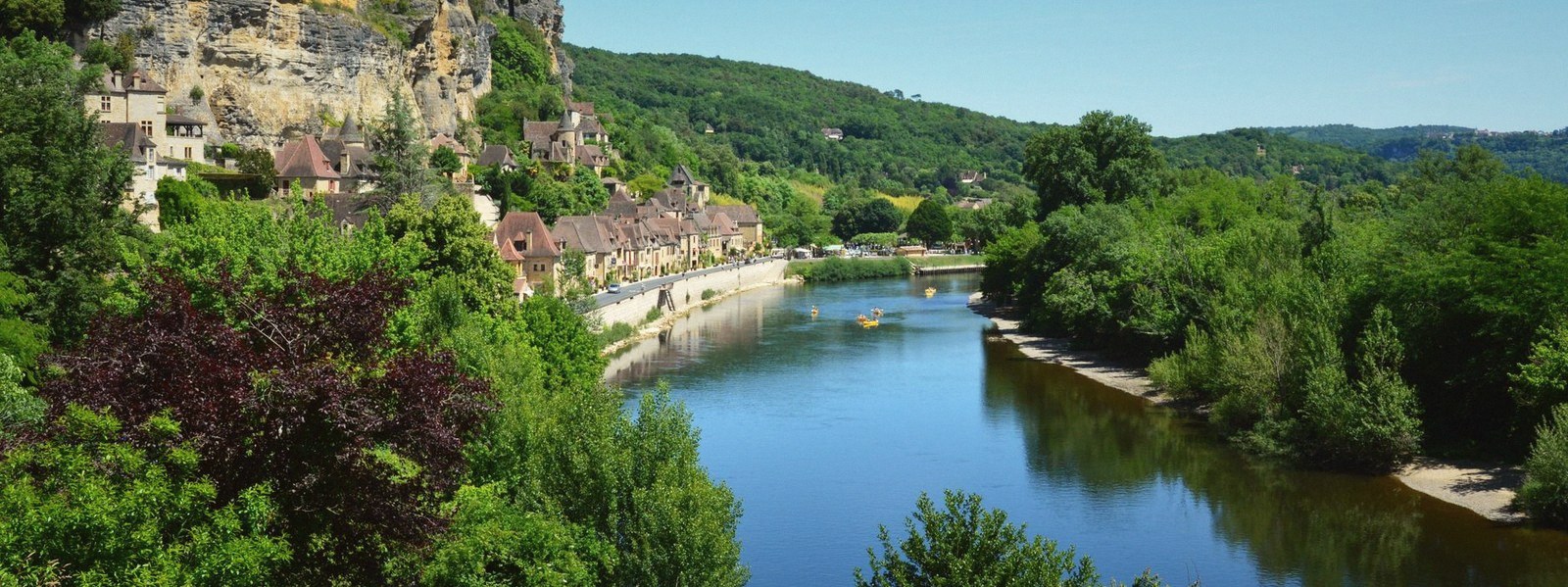
The boats were built locally, from the same region's timber, and were not elegant. They were working tools: wide, blunt-nosed, rigged with a simple sail for when the wind was fair but designed ultimately around muscle, current and tide rather than speed. Loaded with limestone cut from directly beneath the streets of Bourg, they made the city on the water's terms, not the other way around.
The boats were built locally, from the same region's timber, and were not elegant.