The River as the Reason
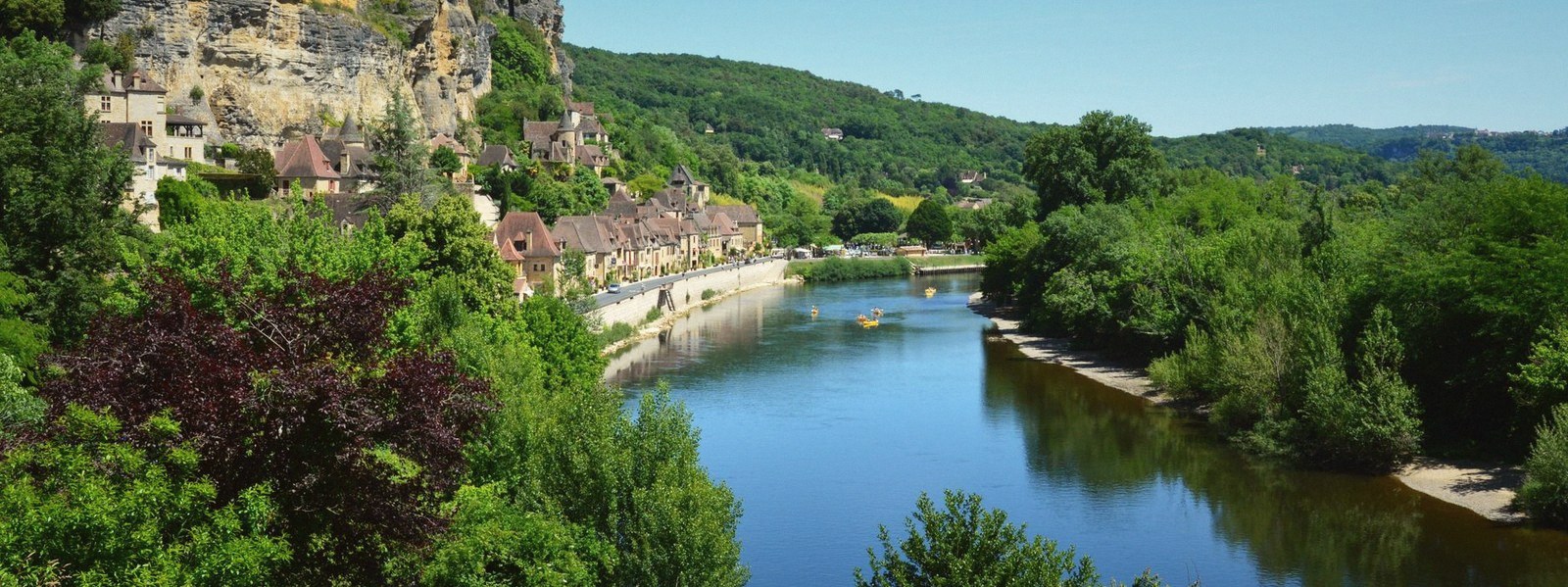
Bourg sits where it does for a reason that has nothing to do with scenery. The limestone beneath the town could have been cut in a dozen places along the same geological bed, but it was cut here because here the Dordogne ran immediately below the quarry face, deep enough at high water to float a loaded barge, and the current ran reliably toward Bordeaux. The river was not incidental to the industry — it was the industry's logic. Without it, the stone stays in the ground.
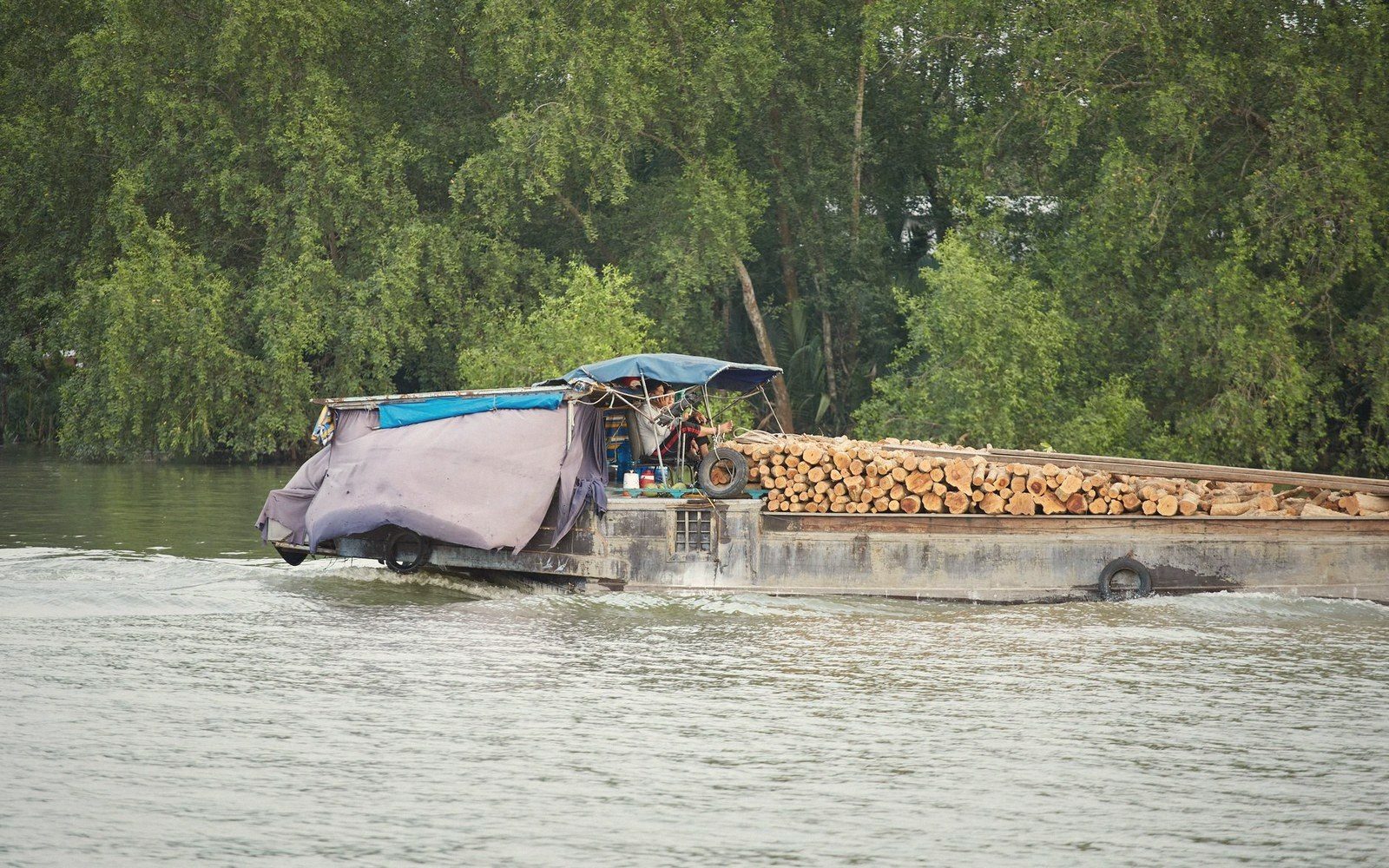
The flat-bottomed barge known as a gabare was the working unit of this trade. Shallow-drafted and broad in the beam, it was built to sit low when loaded and to be worked by a small crew reading the tide rather than fighting it. A block of freshly quarried calcaire — the regional limestone, which cuts easily when green and hardens on exposure to air — is dense enough that even a modest cargo brought the hull close to its waterline. The gabare did not need to be fast. It needed to be manageable, and the Gironde estuary, with its extraordinary tidal range, made management both possible and demanding in equal measure.
The Tide Does the Pulling
The mechanics of the journey depended on understanding tidal rhythm almost as well as the quarrymen understood stone. Loaded at high water when the barge could lie close under the cliff, the crew would wait for the ebb and let the falling tide carry them downstream. The Dordogne drops into the Garonne near Bourg, and the combined river widens into the Gironde estuary — roughly fifty kilometres of river and estuary between the quarry face and the building site. With a fair ebb and a following wind, a gabare could make that run in a single tide cycle. Against the current, nothing moved. The river gave its labour free but on its own schedule.
This is why the tidal range mattered so concretely to the stone trade. Spring tides on this coast are among the largest on the Atlantic seaboard, and the ebb current is correspondingly stronger. A heavily loaded barge needed that current. A neap tide, sluggish and shallow, might leave a cargo sitting on a mudbank until conditions improved. The quarrymen and the bargemen would have read the almanac as carefully as any carpenter read a level.
Dressed Before Loading
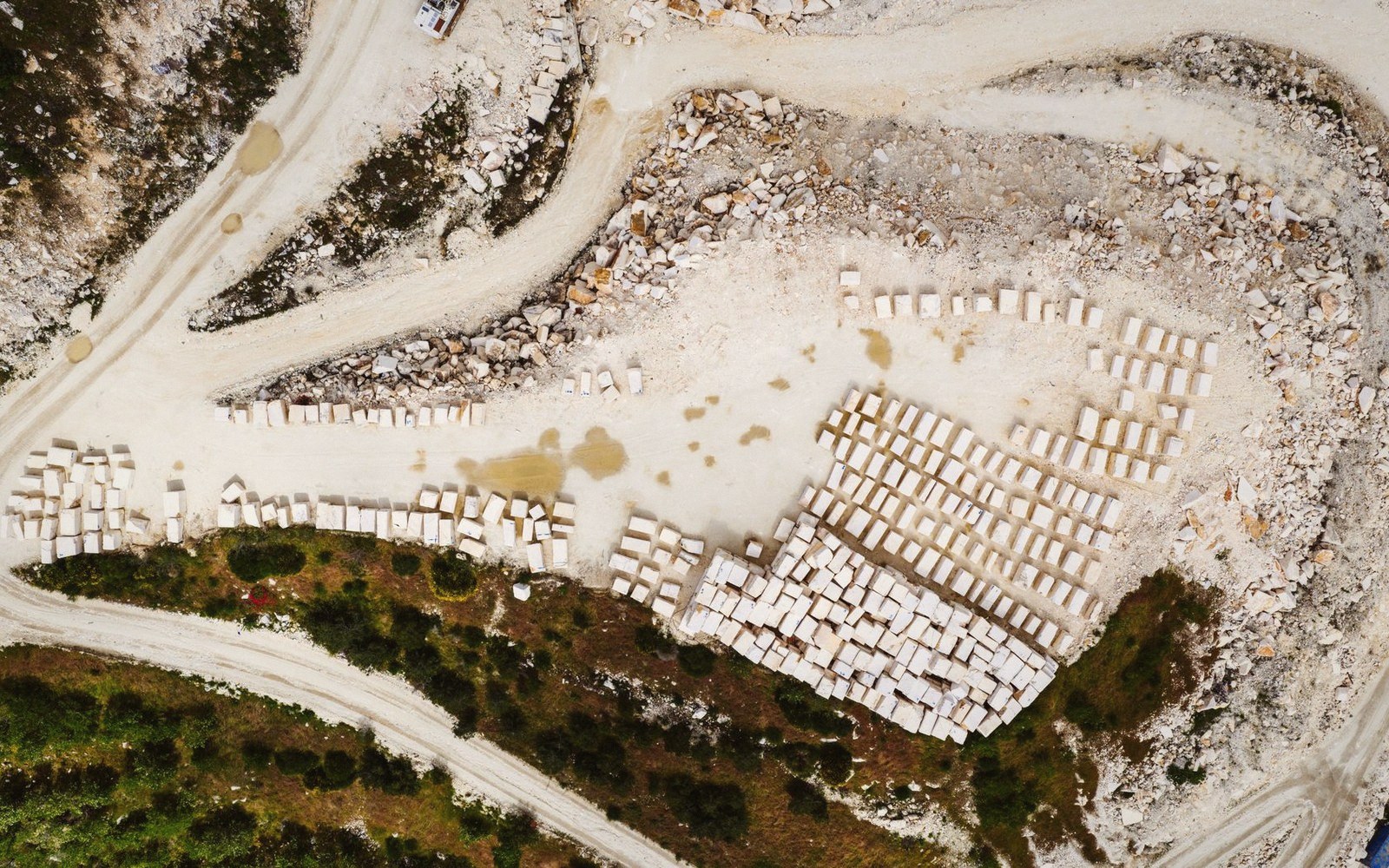
One efficiency shaped the whole operation: the blocks were cut to their approximate finished dimensions at the face, not in Bordeaux. A rough block carries more dead weight per useful stone than a dressed one, and every unnecessary kilogram in the hold was payload wasted. The saw marks visible today in the gallery walls — parallel kerfs at consistent heights, the signature of hand sawing — reflect this discipline. Stone was squared and sized underground before it was moved to the cliff edge and lowered to the water. What arrived on the Bordeaux quays was close to ready; finishing work happened in place, but the heavy reduction had already been done upriver.
The consequence is visible in Bordeaux itself. The buff-coloured facades of the eighteenth-century city, the quay walls, the arcaded streets of the old commercial quarters — much of the freestone in them came out of a hillside above the Dordogne and travelled by water. Bordeaux was rebuilt in limestone during the long tenure of the Intendants, the royal administrators who remade the city from the 1720s onward, and the quarries of the Bourg area were a principal source for that project. The scale of demand was large enough to shape the underground landscape on the other bank: galleries extended, pillars calculated, roofs held by what was left between the cuts.
The water route closed gradually as road and rail made stone carriage less dependent on rivers. But the logic that placed the quarry above the river in the first place had already done its work. The city downstream exists in the shape it does partly because a tidal estuary ran conveniently between the rock and the building site, and partly because the people working the one understood the other well enough to use it.
This is why the tidal range mattered so concretely to the stone trade.