Cutting to size
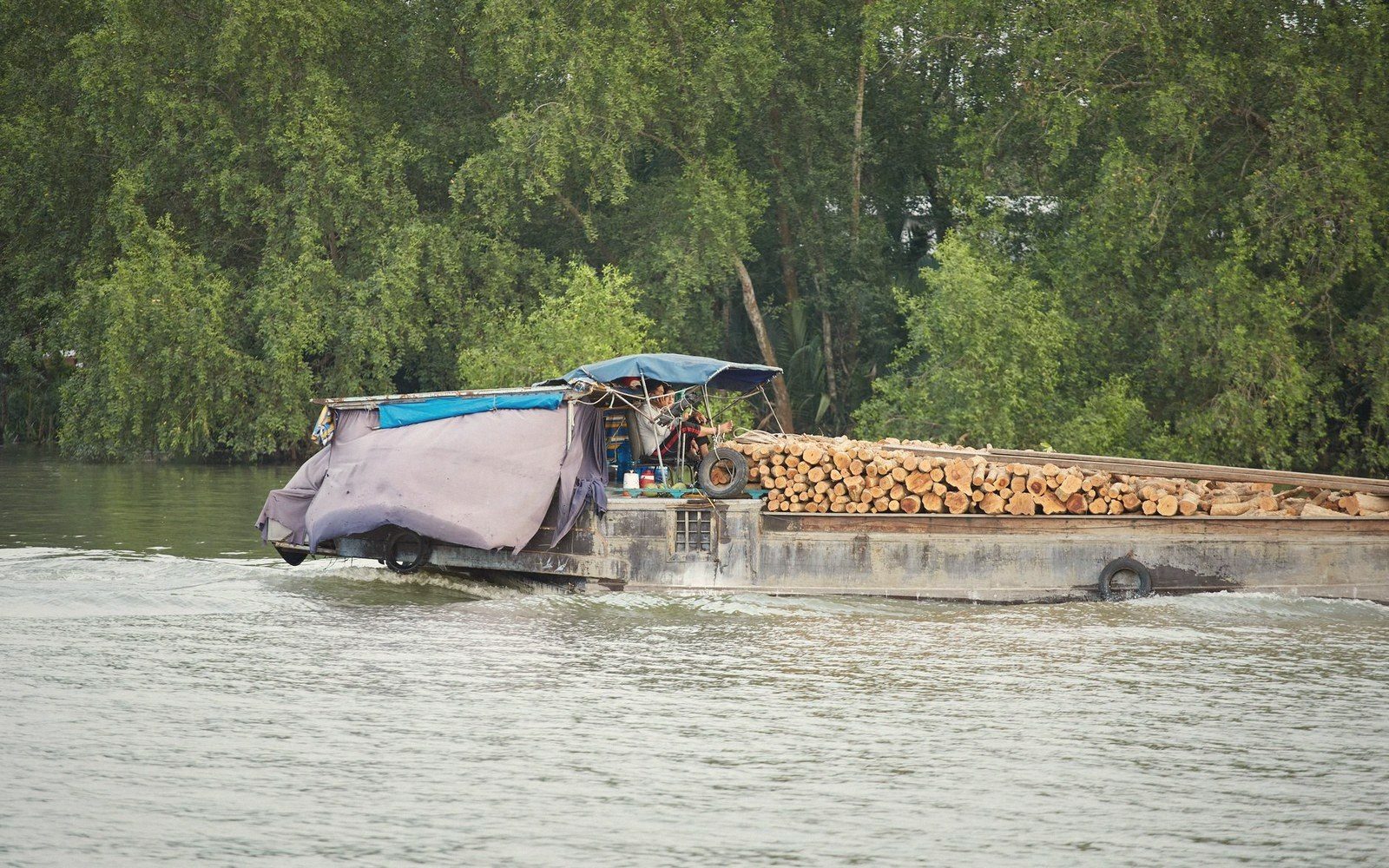
Stone left the quarry already shaped — because every unnecessary kilogram on a gabare was money thrown into the river.
The logic of the dressed block
Limestone comes out of the face in rough, irregular masses. The decision about how much to trim at the quarry and how much to leave for the masons at the destination is, at its core, a transport calculation. Carry waste and you carry cost. Every trip downriver on a flat-bottomed barge had a load limit set by draft and tide, and the Gironde's tidal reach made overloading genuinely dangerous rather than merely inefficient.
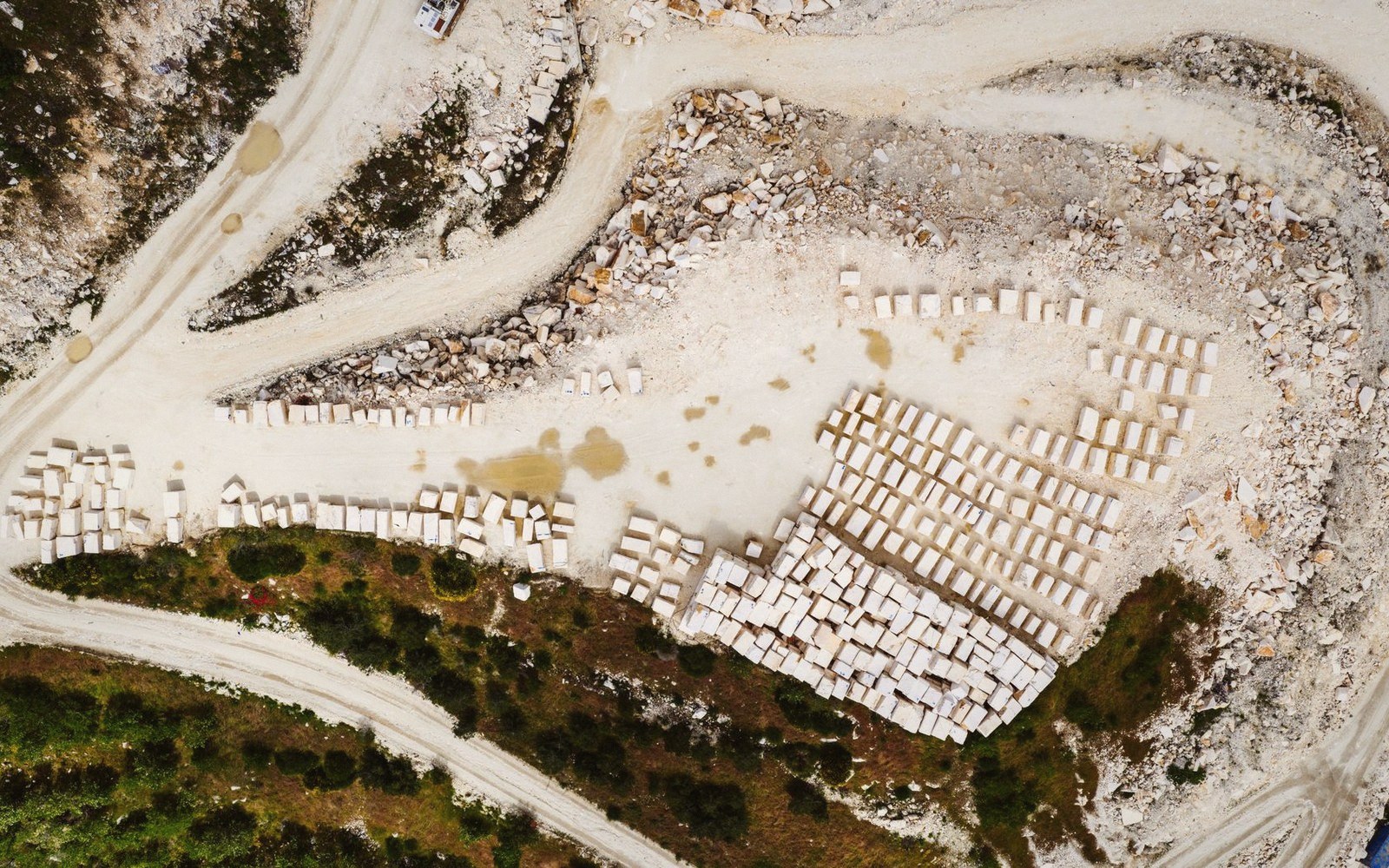
At Bourg the answer was to dress the stone close to its final dimensions before it moved at all. Quarriers worked each block to a rough square at the face — not finish-dressed, but stripped of the worst of its irregular margins. The industry term for what was removed is débitage (waste material from the primary cut), and at Bourg that débitage stayed underground or went back as rubble fill, never onto the boat.
The tool marks this produced are still visible in the galleries: saw kerfs run in parallel across the face at roughly hand height, the signature of a two-man frame saw worked horizontally into the bed. Each kerf marks where a cut was taken to free a block along its length; the vertical cross-cuts that separated one block from the next left matching marks on the pillar faces beside them. Stone that was soft when freshly quarried could be sawn relatively quickly, and the creamier, more porous beds were preferred partly because they cut fast and trimmed cleanly before they had time to harden in the air.
What left the cliff mouth was already recognisably a building block: rectangular in plan, faces roughly flat, corners near-square. A mason receiving it at a Bordeaux quay could work to final tolerances without having to reduce the bulk by a third before he started. The material that built the city's facades and quay walls arrived as near-finished goods, not as lumps to be interpreted.
This discipline of pre-trimming at source is easy to underestimate. It meant that the quarry was also, in effect, a workshop — that the men cutting into the hillside were making decisions about final use with every saw stroke. The face was not simply opened and emptied; it was read, planned and cut to an economic logic that ran all the way from the limestone bed to the dressed front of a building in Bordeaux.
This discipline of pre-trimming at source is easy to underestimate.